When Suci Nazier began searching for doctoral programs, she knew she wanted more than a prestigious university.
She wanted a place where she could find the right mentor, pursue meaningful research and prepare for multiple career paths.
“I chose Ohio State because, while exploring the School of Health and Rehabilitation Sciences in the College of Medicine, I found that my current PhD advisor’s research interests and scholarly work closely aligned with my own research goals,” Nazier said.
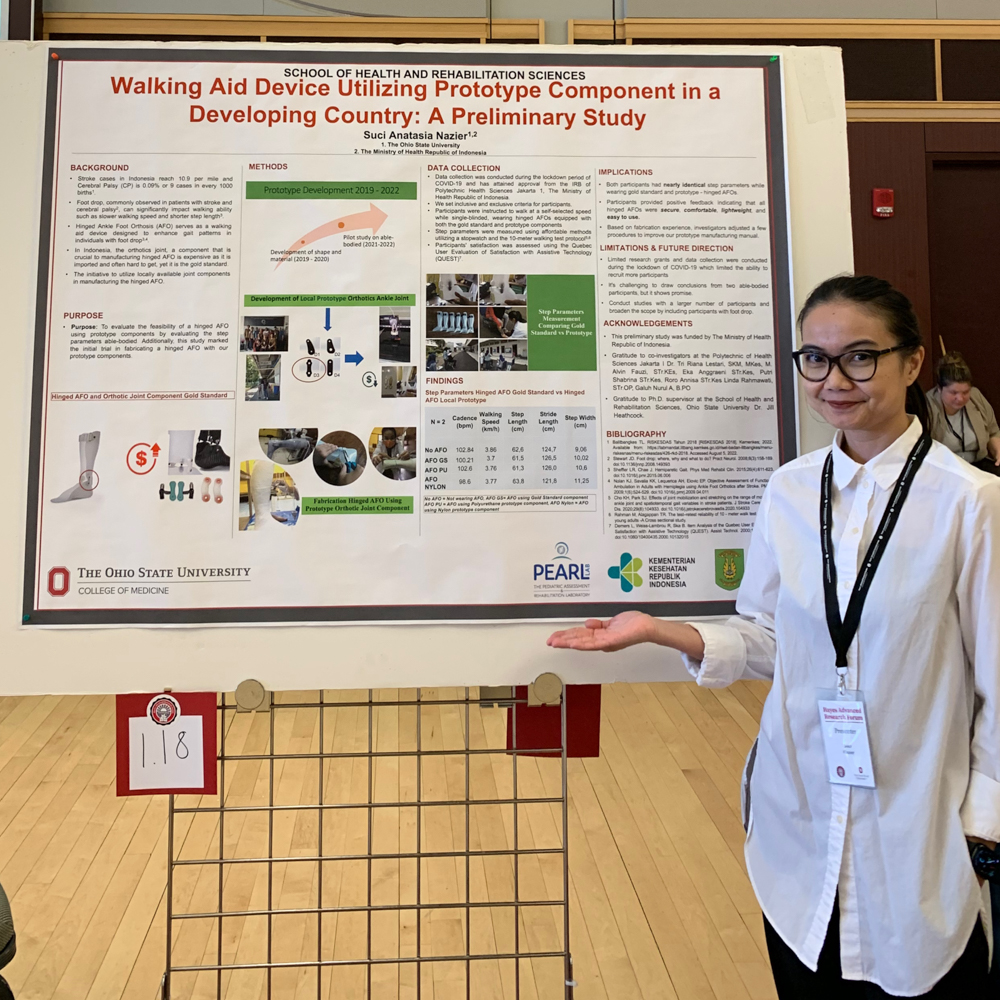
Originally from Indonesia, Nazier is particularly interested in improving health outcomes for children with disabilities, especially cerebral palsy, which she said is highly prevalent in her home country.
“I am particularly interested in rehabilitation to improve health outcomes for children with disabilities, such as cerebral palsy,” she said.
Nazier said Ohio State stood out because of the Health and Rehabilitation Sciences program’s broad curriculum.
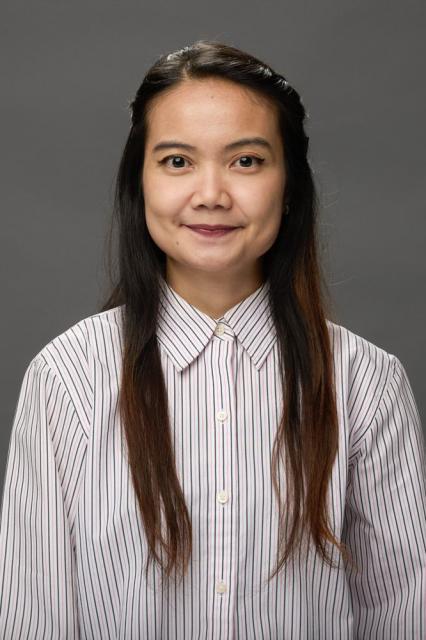
“I was also impressed by Ohio State’s curriculum, which prepares doctoral students not only as researchers but also as clinicians and educators,” she said. “The program’s emphasis on teaching, learning and curriculum in health sciences was especially appealing because it offers strong preparation for multiple career pathways after graduation.”
For Nazier, finding the right advisor was one of the most important parts of choosing a university.
“Pursuing a PhD is a long-term commitment, so finding the right advisor was my top priority,” she said. “I wanted a mentor who could support both my academic goals and professional growth.”
She credited her principal investigator and advisor, Jill Heathcock MPT, PhD, for helping her adjust to life and academics in the United States.
“I am very grateful to my PI and PhD advisor, Jill Heathcock, for her mentorship and continued support throughout my training,” Nazier said. “She has been very understanding of my learning process and has helped me grow at my own pace.”
That support has been especially important as an international student adjusting to a new academic system, living environment and language of instruction.
Nazier’s doctoral research focuses on improving access to healthcare and rehabilitation services for children with physical disabilities in low and middle-income countries.
“My doctoral research focuses on equitable access to healthcare and rehabilitation services for children with physical disabilities, particularly cerebral palsy, in low and middle-income countries such as Indonesia,” she said.
Because rehabilitation services are often limited, Nazier said she is interested in finding practical and affordable ways to improve care.
“I am also interested in exploring feasible and affordable strategies to improve access to care, such as telehealth, community-based rehabilitation and parent-delivered interventions,” she said.
She said these approaches could improve physical function, participation in daily activities and overall quality of life for children and their families.
Outside the classroom and lab, Nazier said Ohio State resources have helped support both her academic success and well-being.
“The libraries, Student Health Services and wellness activities offered through the Ohio Union have all contributed to maintaining a healthy balance between academics and personal wellness,” she said.
She also appreciates the recreational facilities at the RPAC.
“Staying physically active helps me manage stress and maintain my health,” Nazier said. “I especially enjoy the cardio area, swimming pool and hot tub.”
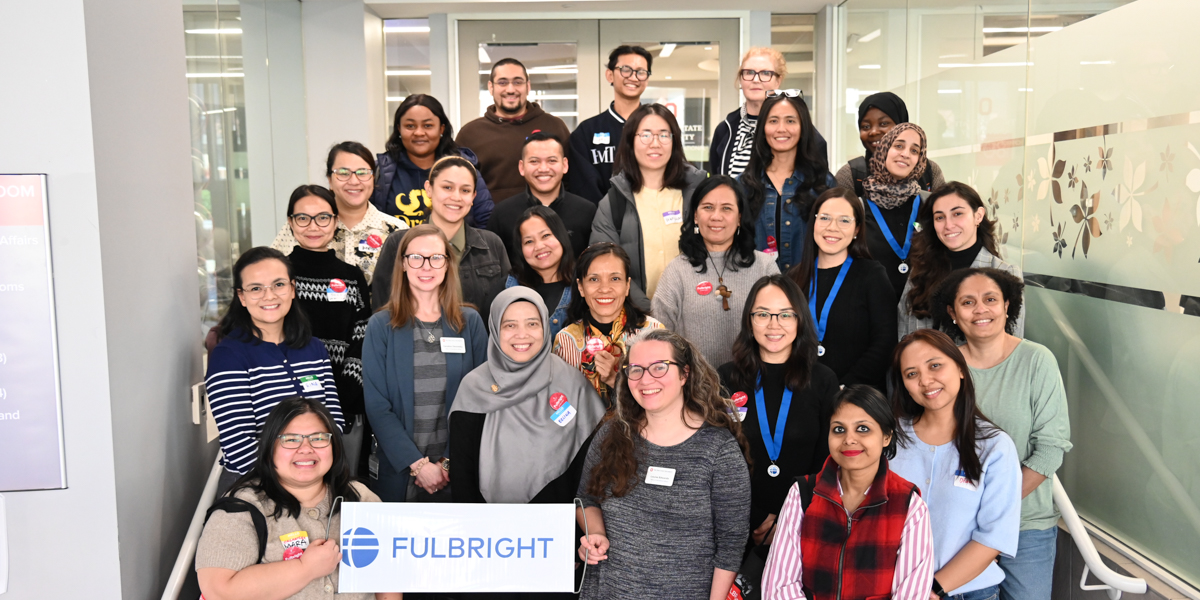
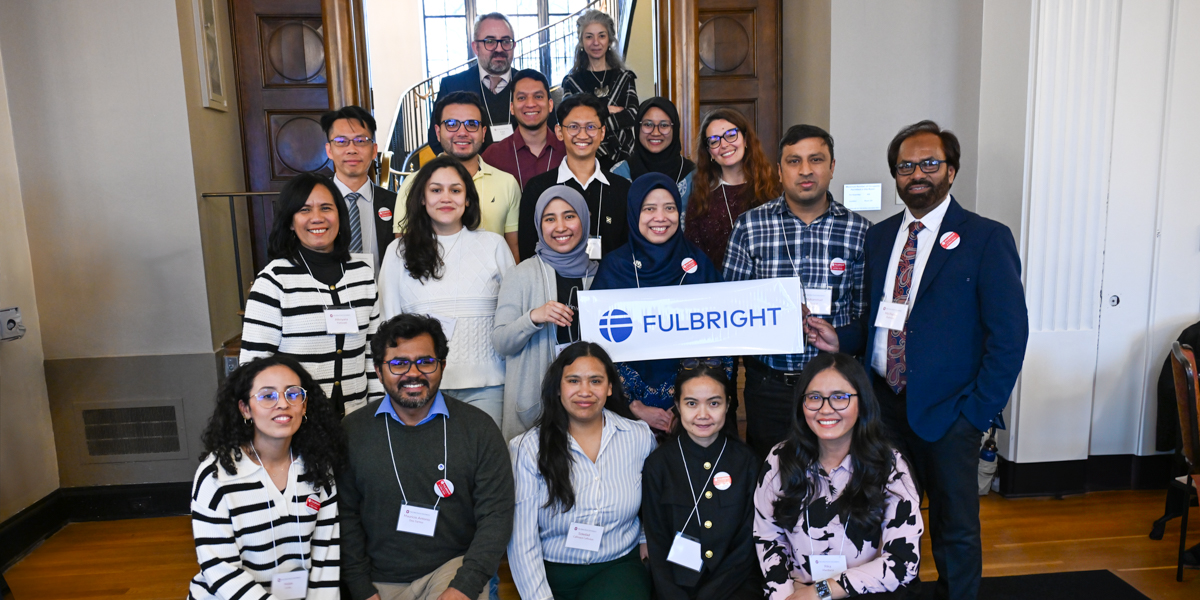
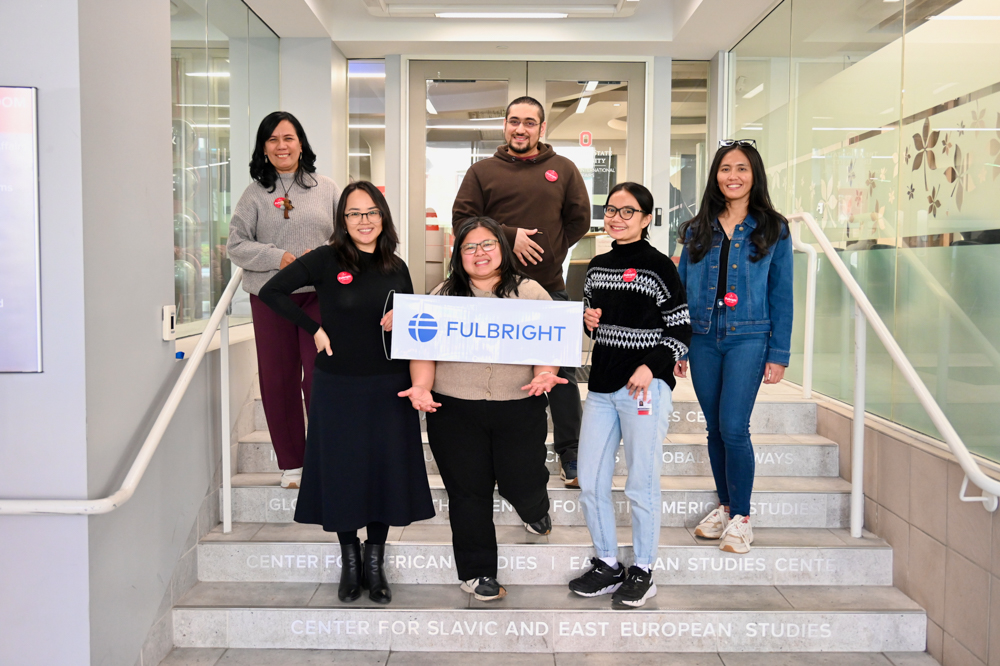
Nazier has also been highly involved on campus. Over the past year, she has served as vice president of the Indonesian Student Association and treasurer of Buckeye Brighters, the Fulbright scholar student organization.
She has also volunteered at events including Taste of OSU, Buck IPE and Ohio Special Olympics programming.
“Getting involved in campus activities is important to me because it allows me to grow both personally and professionally,” Nazier said.
She said those experiences have helped her build leadership, communication and teamwork skills while connecting with people from different backgrounds.
“I also see campus involvement as a way to expand my network, which may lead to future collaborations in research, education and clinical practice,” she said.
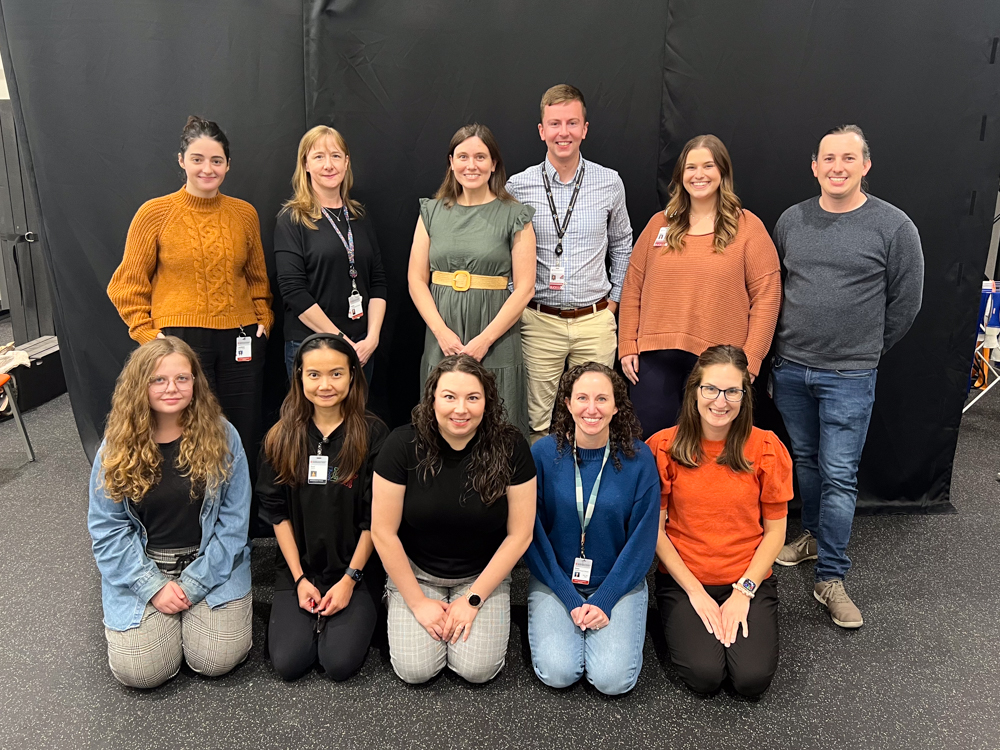
One of Nazier’s favorite parts of Ohio State has been the relationships she has built with her classmates and lab mates.
“One of my favorite memories at Ohio State is the sense of connection and friendship I have built within the Ohio State community,” she said.
She said her small cohort remains close, even after finishing classes together.
“I am also very grateful for my lab mates, who have been one of my strongest support systems throughout my PhD journey,” Nazier said. “They have always been there to support my learning process, and that sense of community has meant a lot to me.”
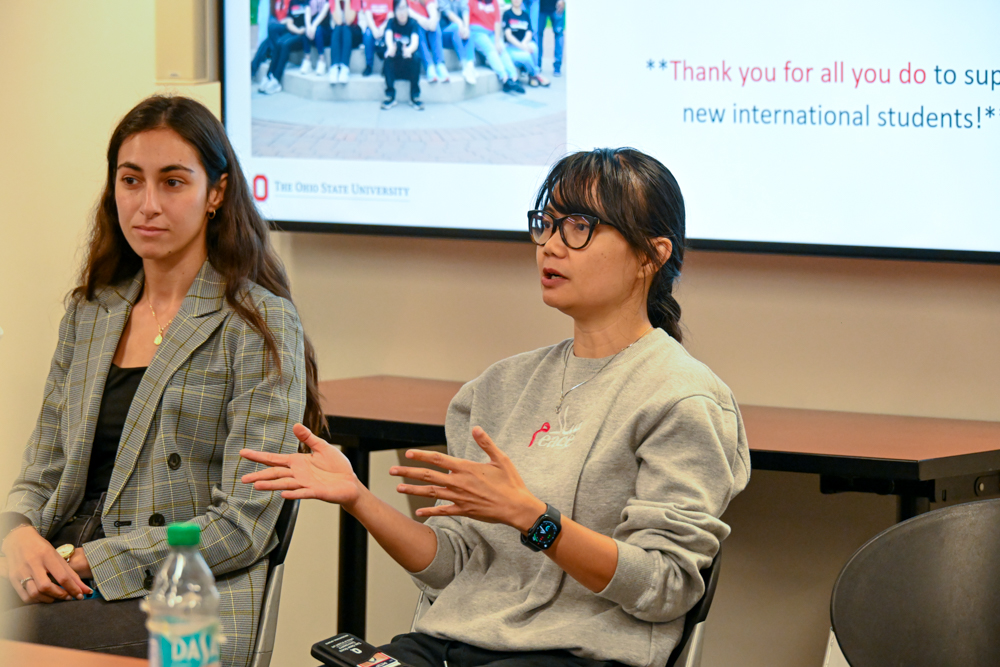
For current and prospective international students, Nazier’s advice is simple: do not try to navigate the experience alone.
“Living and studying in a foreign country, far from home, can be challenging, and it is not something you should try to navigate alone,” she said.
Instead, she encourages students to lean on the people and resources around them.
“Use the resources available to you, including your PhD advisor, lab mates, classmates and university support services,” Nazier said. “Those resources are there for you, and they can make a meaningful difference in both your academic journey and personal well-being.”