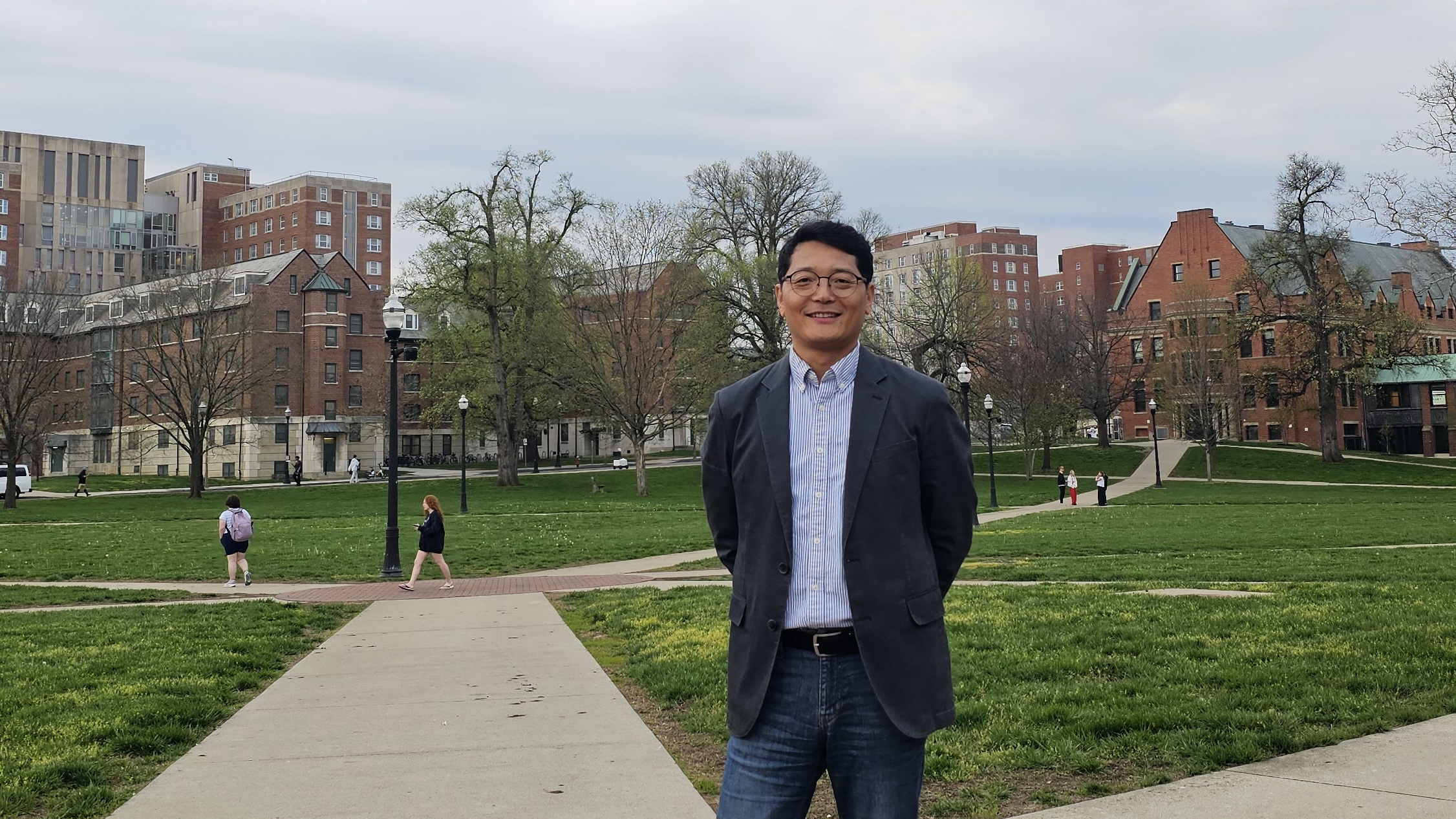
Almost 7,000 miles separates Korea and Ohio, but a visiting scholar in the East Asian Studies Center is working to make the cultures of these places closer than ever.
Soon Ho Kim arrived on campus in January of this year, and is working hard to conduct research and activities to enhance an appreciation of Korean cultural heritage in Columbus and connect it with various academic fields at Ohio State.
“Through historical and cultural connections as well as its academic environment, Ohio State became a meaningful starting point for connecting Korean cultural heritage with the world,” Kim said.
Specifically, Kim references historical ties with the Ohio-based Severance family, led by American philanthropist Louis Henry Severance, which funded the establishment of modern hospitals in Korea.
“Their donations of cultural heritage have made this choice even more meaningful. Ultimately, I believe this is a place I was naturally led to through these historical connections.”
Before his arrival at Ohio State, Kim spent 18 years and continues to work at the Korea Heritage Agency, the leading national institution for Korean heritage, where he plans projects related to traditional culture and cultural heritage.

Kim describes his role with the university in three parts. Primarily, he researches how Korean culture exists in Columbus and Ohio State and works to showcase it in new corners of the university. Connecting Korea and the United States, Kim also serves as a mediator between the two countries, while connecting resources and opportunities. Third, Kim builds the footprint of Korean culture, expanding to cities like Columbus through community events and connections.
“I feel a deep sense of pride and responsibility in representing Korea in my current role. This awareness was not formed suddenly, but developed naturally from an early age through my experiences with traditional performing arts, as I encountered remarkable cultural heritage sites such as Gyeongbokgung Palace, Jongmyo Shrine and Bulguksa Temple,” Kim reflected.
One of the main ways Kim works to infuse more Korean culture at Ohio State is through the tradition represented by Pansori and Gobeop, which is recognized as both UNESCO Intangible Cultural Heritage and National Intangible Heritage of Korea. Pansori is a traditional art form that combines singing, storytelling and acting, while Gobeop is the drum accompaniment that guides the rhythm and flow of the performance.
Through collaboration with Chan E. Park, emeritus professor in the Department of East Asian Languages and Literatures, he is exploring the possibilities of Pansori education and transmission in Ohio.
“In the past, pansori classes and performances were offered at Ohio State, but this tradition has weakened over time. I’m now discussing the possibility of reviving pansori education with a faculty member in the Korean program and will continue to work toward sustaining its practice in Ohio,” he shared.
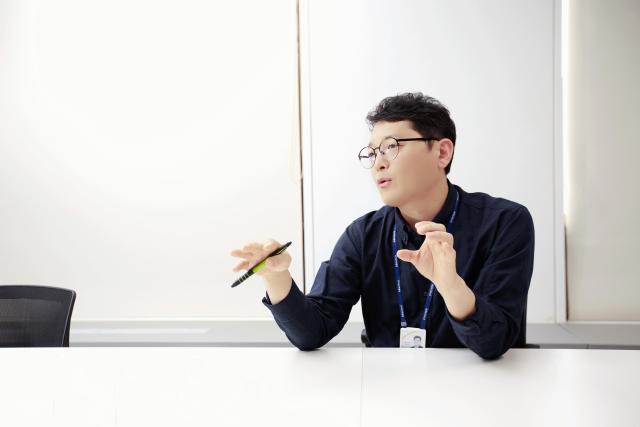
Kim is continuing to adapt to life in Columbus and is working to become naturally integrated, and sees his learning and understanding of the local community as a short-term priority.
“The spread of culture not as one-way transmission, but a process of integration. At Ohio State and in the Columbus area, Korean culture is already well established. I respect this foundation and seek to participate in it in a balanced and harmonious way,” Kim stated.
Moving forward, Kim plans to participate in Columbus’ Asian Festival in May 2026 and is also sharing a “Korean Heritage” article series through the East Asian Studies Center, where he hopes to expand cultural understanding between Korea and the United States.