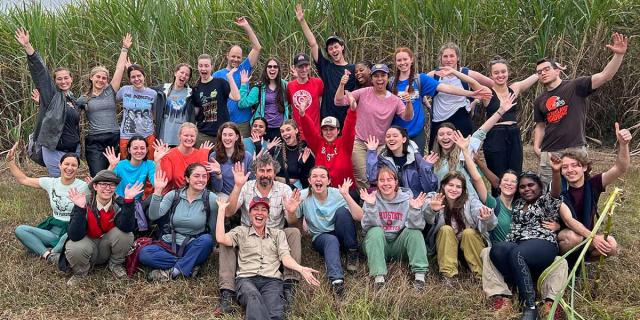
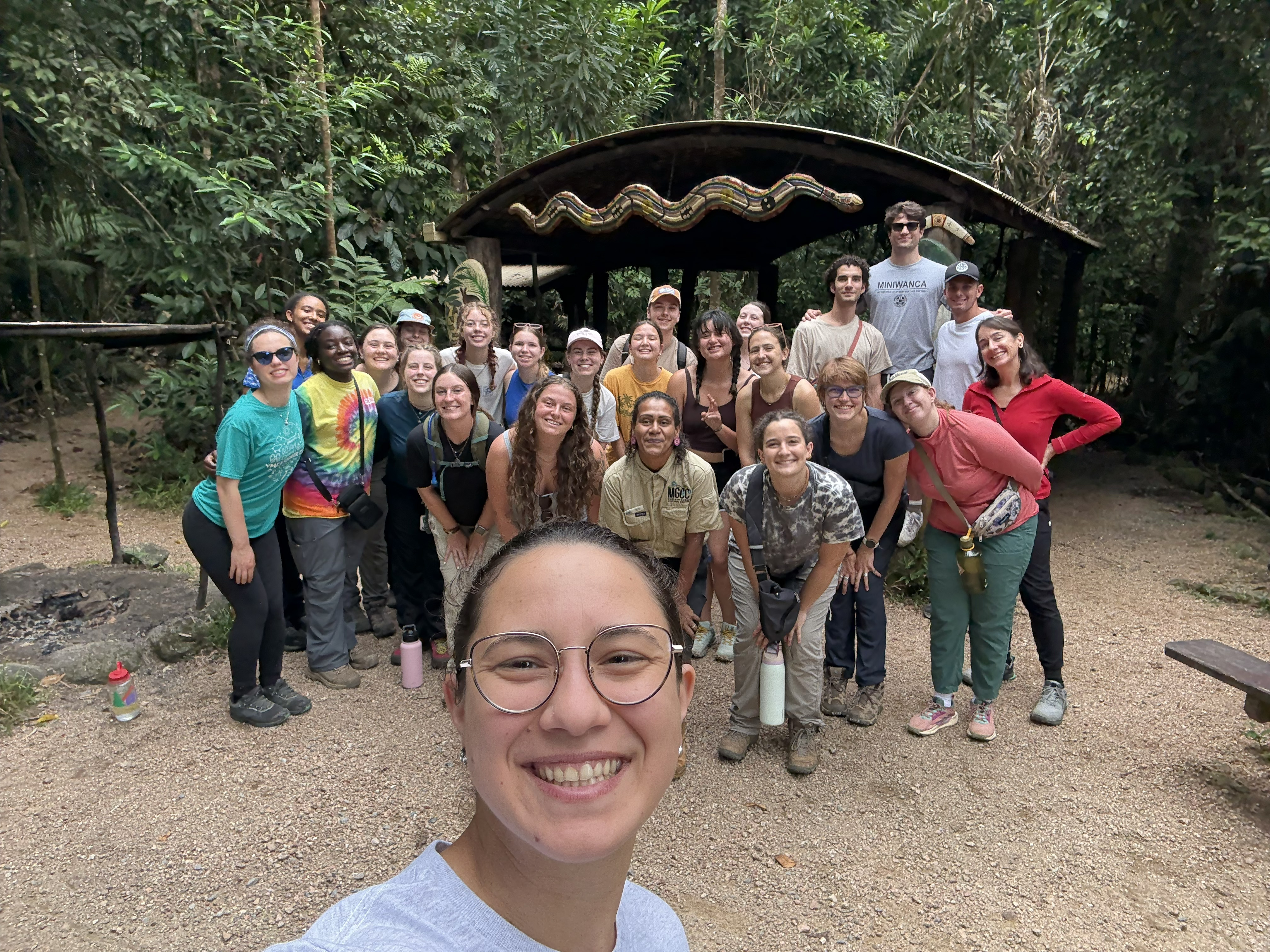
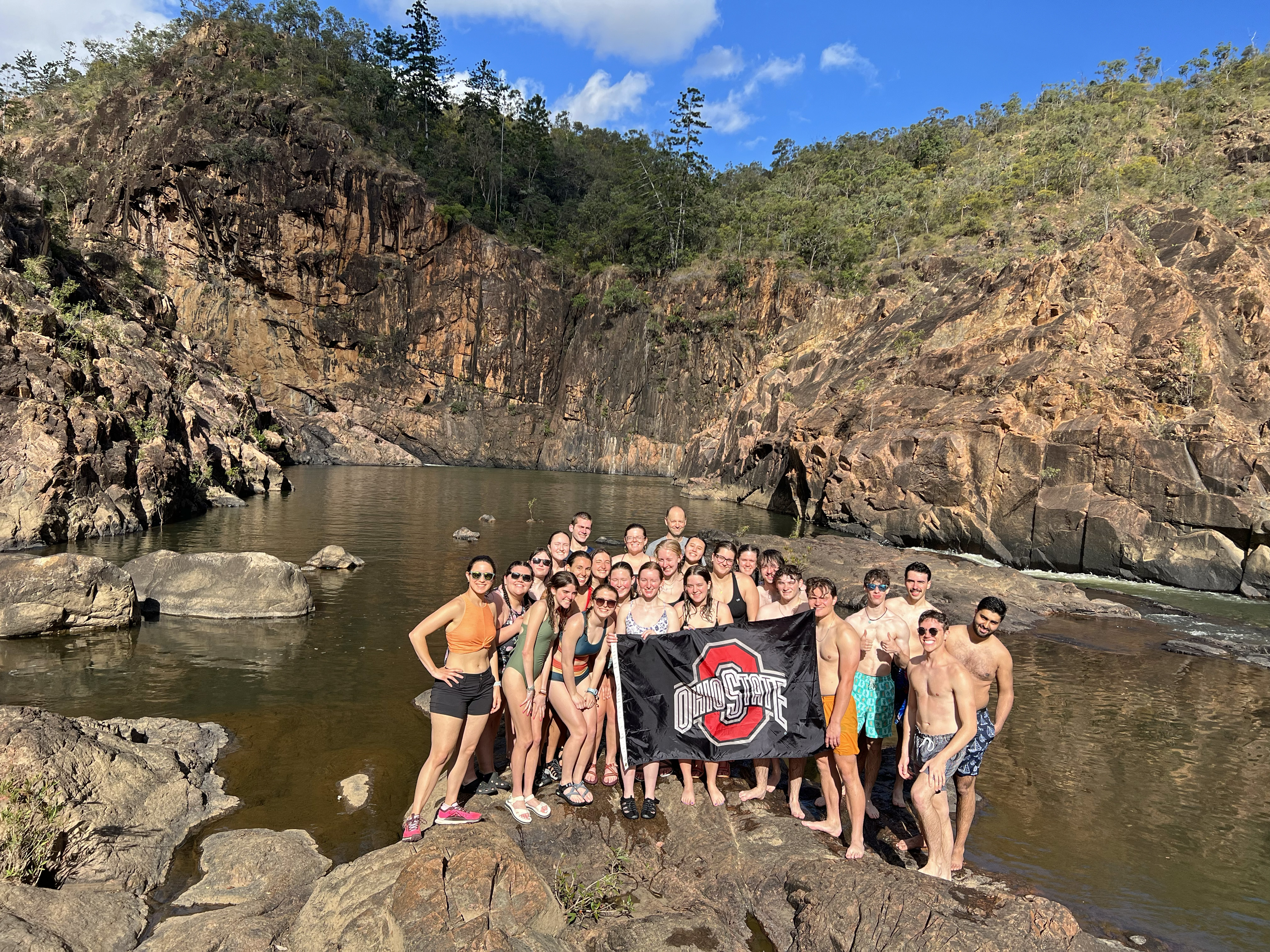
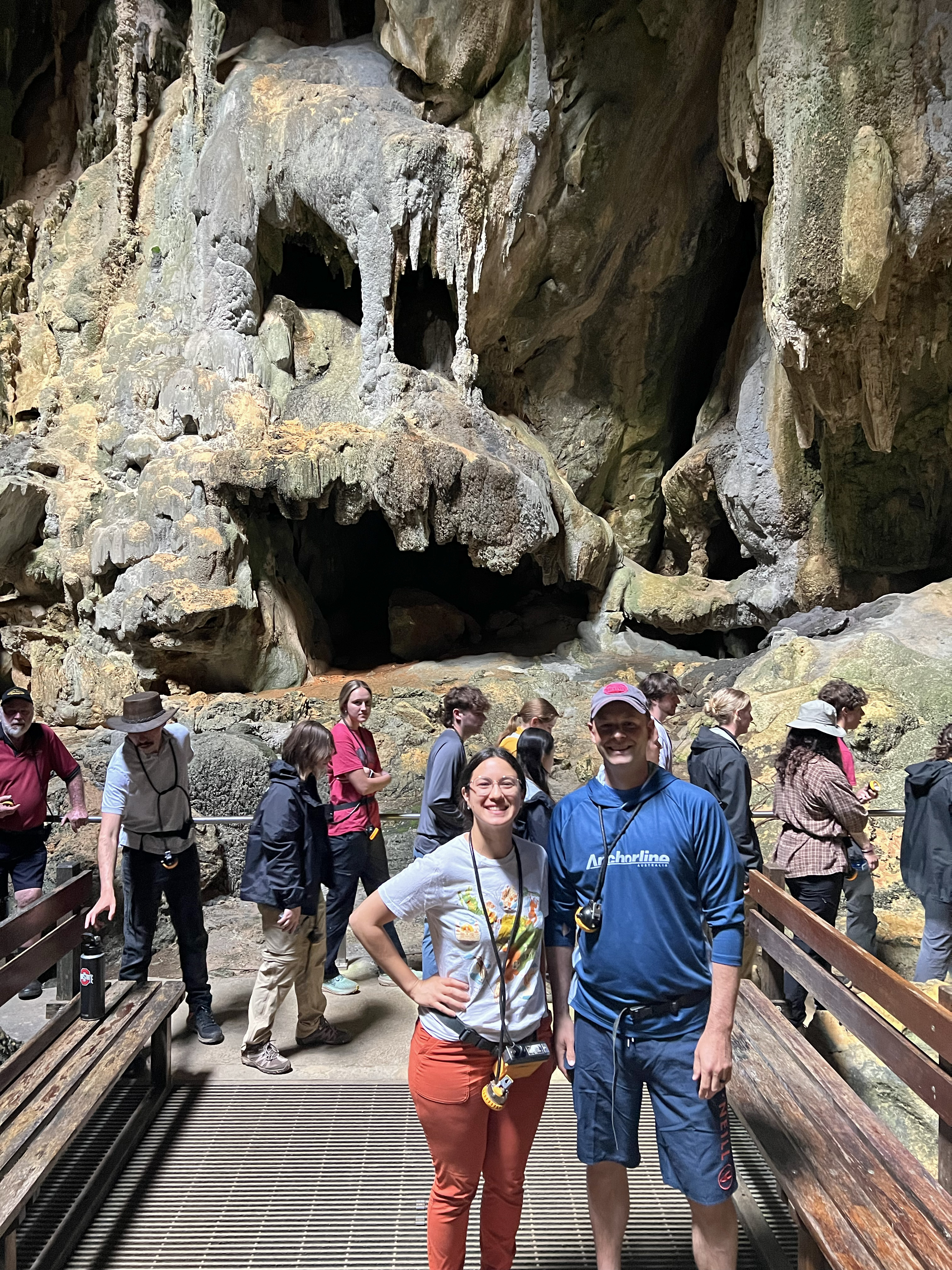

It’s one thing to provide scientific solutions to environmental challenges, but the community aspect of conservation and ecosystem research is often overlooked. For students on the Australia: Human Impacts on the Natural Environment study abroad program led by Tania Burgos-Hernandez, they get a mix of both the science behind these environments and a chance to interact with the people who live in them.

“This is the perfect program to apply so much of the information that students learn in their classes and apply it in a unique social setting,” said Burgos-Hernandez, who began leading students abroad as an Ohio State PhD student. “The program provides an introduction into the human aspect of decision making when it comes to choices that will impact the environment.”
The program offers students a complete view of the unique wildlife and ecosystems within the state of Queensland in the country’s northeast, such as tropical rainforests, reefs and the Outback.
“For the first five days, the students are completely off the grid, allowing them to be completely surrounded by nature and connect better with each other,” said Burgos-Hernandez, a soil science lecturer in the School of Environment and Natural Resources (SENR). “We go snorkeling in the Great Barrier Reef for two full days, we see wallabies and kangaroos and wallaroos; we’re able to experience a lot of different ecosystems we don’t see here in Ohio or even the United States.”
Burgos-Hernandez ventures that the most impactful portion of the trip is the farm stay, where students live with local families for several days to get a realistic look at what life is like in Australia and how these people are affected by conservation practices.
“They become a part of their routines and do all the same activities that the family will do in a regular day,” said Burgos-Hernandez. “The farms range from 500 acres to small family operations that mostly produce fresh products for themselves and to trade with neighbors.”
Being able to live and learn in these one-of-a-kind environments provide an advantage to SENR students to apply their newfound knowledge in the classroom and when they look for a job, Burgos-Hernandez notes.
“Through studying management practices, students are able to make better decisions when it comes to choices that will impact the environment,” she said. “Volunteer opportunities, hands-on learning and presentations from locals and professors give this work a human aspect.”
For Burgos-Hernandez, she will continue to lead students abroad because of a desire to provide more incredible learning experiences each year, and the ability to improve her teaching back in Columbus.
“I love to bring the knowledge back to my classes. I put my pictures and stories into my lectures, and it makes my teaching more interactive and engaging.”
Next year, Burgos-Hernandez will return down under with a new stop on the itinerary – Magnetic Island which sits five miles off the coast of northeastern Australia and is known for its large koala population and natural landscapes.